The worst time to learn where your water shutoffs are is while water spreads across a floor in Newton. A burst washing machine hose or a split supply line gives you minutes, and a homeowner hunting through a crawl space in that moment loses most of them. The valves that stop the damage are already in your house. Finding, testing, and labeling them on a calm Saturday is one of the highest-value hours in home ownership.
Homes have layers of shutoffs. The main valve stops all water entering the house. Individual fixture stops isolate one sink, toilet, or appliance. Specialty valves protect the water heater and outside faucets. Each layer has a different location, a different look, and a different job in an emergency, which is exactly what a side-by-side comparison makes clear.
The valves, side by side
| Valve | Where it usually is | What it stops | When you use it |
|---|---|---|---|
| Main shutoff | Where the water line enters: basement, crawl space, garage, or a meter box at the street | All water to the house | Major leak, burst pipe, or any repair beyond one fixture |
| Fixture stops | Under sinks and behind toilets, small oval or lever handles on the supply lines | One fixture only | Toilet repair, faucet replacement, a leaking supply line at that fixture |
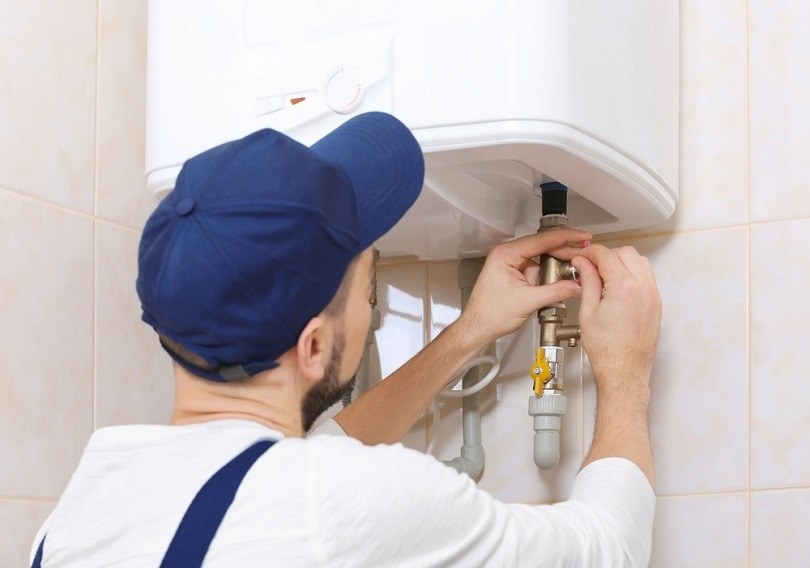
| Water heater valve | On the cold water line entering the top of the heater | Feed to the heater, so hot water stops draining | Heater leak, replacement, or a hot-side pipe failure |
| Washing machine valves | On the wall box behind the machine, one hot and one cold | The washer hoses only | Hose burst or washer replacement; worth closing during long vacations |
| Outside faucet shutoff | Inside the wall or basement near each exterior faucet | That hose bib only | Winterizing before freezes so the exterior pipe section cannot burst |
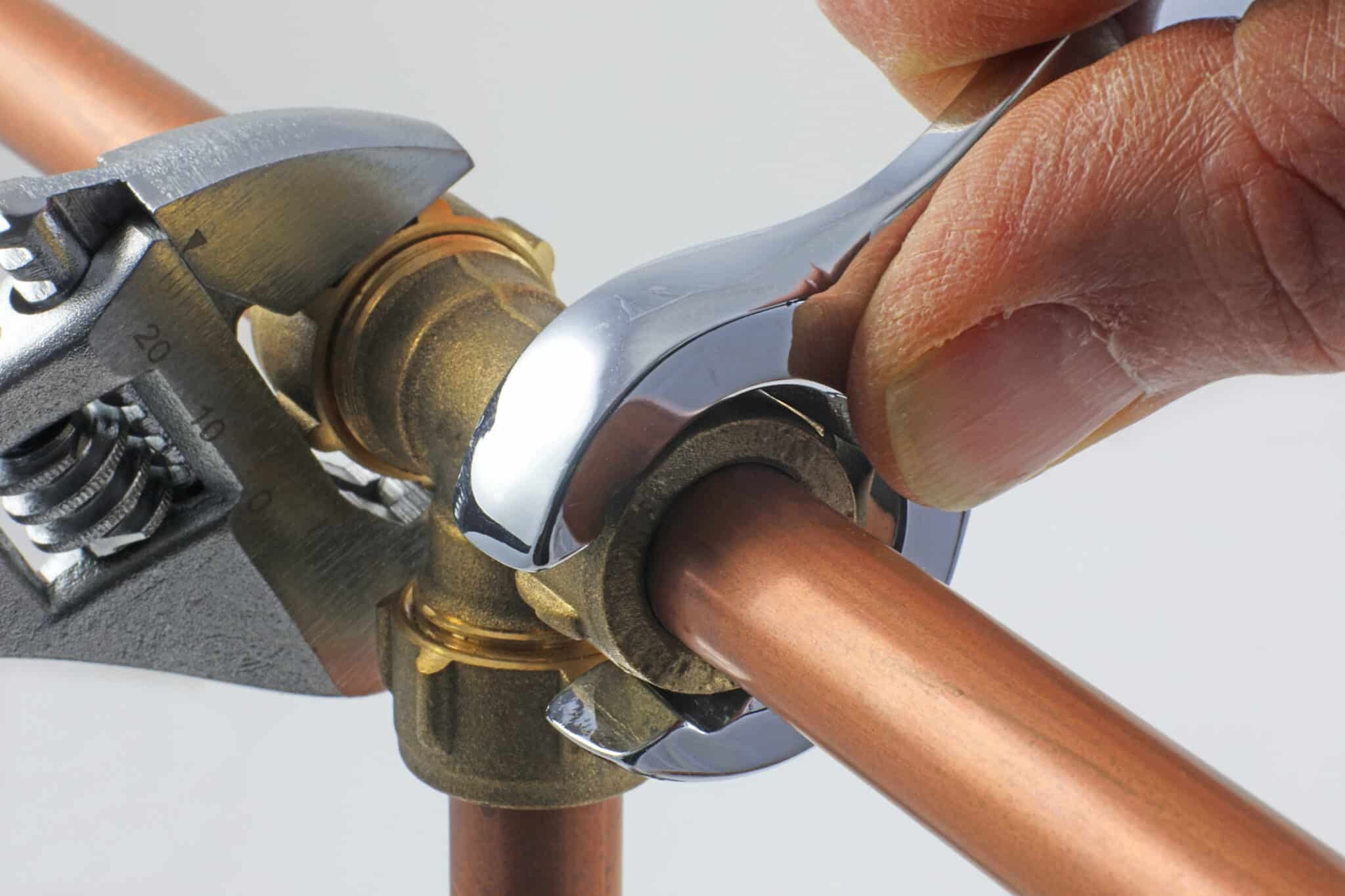
Finding your main, specifically
On municipal water, there are often two mains to know: the city's valve at the meter, which may need a meter key, and the house valve inside, on the line where it enters. The house valve is the one you can use freely and quickly. It is either a round gate valve handle or a lever ball valve. A lever is simple to read: parallel to the pipe is open, across the pipe is closed. Trace the line from where it enters the foundation if the valve is not obvious, and check the crawl space hatch area in homes without basements, a common Newton layout.
If you cannot find an inside main, or the only valve is at the meter, that is useful to know today rather than during a flood. A plumber can add an accessible inside ball valve, a modest job that pays for itself the first time it is needed.
Test them, because valves seize
A valve that has not moved in ten years may not move when you need it, or may drip once disturbed. Operate each shutoff once a year: close it, confirm the water stops, open it fully again. Gate valves in particular benefit from exercise. Note any valve that sticks, leaks around its stem, or fails to stop flow fully, and have those replaced on a planned visit rather than discovered mid-emergency. Label each valve with a tag naming what it controls, and tell everyone in the household where the main is.
The emergency order of operations
Closest valve first. A toilet supply leak gets its fixture stop. A water heater failure gets the heater valve and, if water keeps coming, the main. A burst pipe with no clear source gets the main immediately, then the water heater valve so the heater does not drain through the break. After shutting off, open a low faucet to drain pressure, switch off power or gas to a leaking water heater, and then call for repair. Homeowners who have rehearsed that order once, out loud, handle the real event remarkably calmly. If your walk-through finds missing or frozen valves, Charlie's Plumbing & Drain can replace them before they are needed.
Common questions
Which direction do I turn a round shutoff valve?
Clockwise closes, counterclockwise opens, like most threaded fittings. A lever ball valve is simpler: turn it a quarter turn so the handle sits across the pipe to close it.
My main valve will not budge. What should I do?
Do not force it with a long wrench, which can snap an old stem and create the flood you were preventing. Have it replaced on a scheduled visit, and learn the meter valve location as your backup in the meantime.
Should I shut off the water when I travel?
For trips of a week or more, closing the main is cheap insurance against a hose or supply line failing in an empty house. At minimum, close the washing machine valves, since washer hoses are a frequent source of major water damage.
Photos in this guide are representative stock images.
← All guides from Charlie's Plumbing & Drain← Back to Charlie's Plumbing & Drain