A toilet that runs on and off through the night in a Newton home is easy to tune out. The sound lasts ten seconds, the tank refills, and nothing looks broken. Underneath that small annoyance, water is moving from tank to bowl around the clock, and it is metered water you are paying to send straight to the sewer. A running toilet is one of the largest silent water wasters in a house, and most causes sit inside the tank where any homeowner can reach them.
Running takes two common forms. Continuous running, a constant trickle and hiss, usually means water is flowing over the overflow tube or past a valve that will not close. Intermittent running, the phantom flush every hour or two, usually means the flapper leaks slowly until the fill valve tops the tank back up. The fixes differ, so start by naming which one you have.
The dye test anyone can do
Remove the tank lid and add a few drops of food coloring, or a dark drink, to the tank water. Do not flush. Wait fifteen to twenty minutes, then look in the bowl. If color appears in the bowl, water is leaking past the flapper or flush valve seat. If the bowl stays clear while the tank level drops toward the fill valve's doing, look at the fill valve and the water level setting. That one test, costing nothing, separates the two main repair paths.
While the lid is off, check the water level. It should sit about an inch below the top of the overflow tube, at the marked line on many tanks. A level set too high spills continuously into the bowl through the tube, a running toilet with no failed part at all, only a float that needs adjustment.
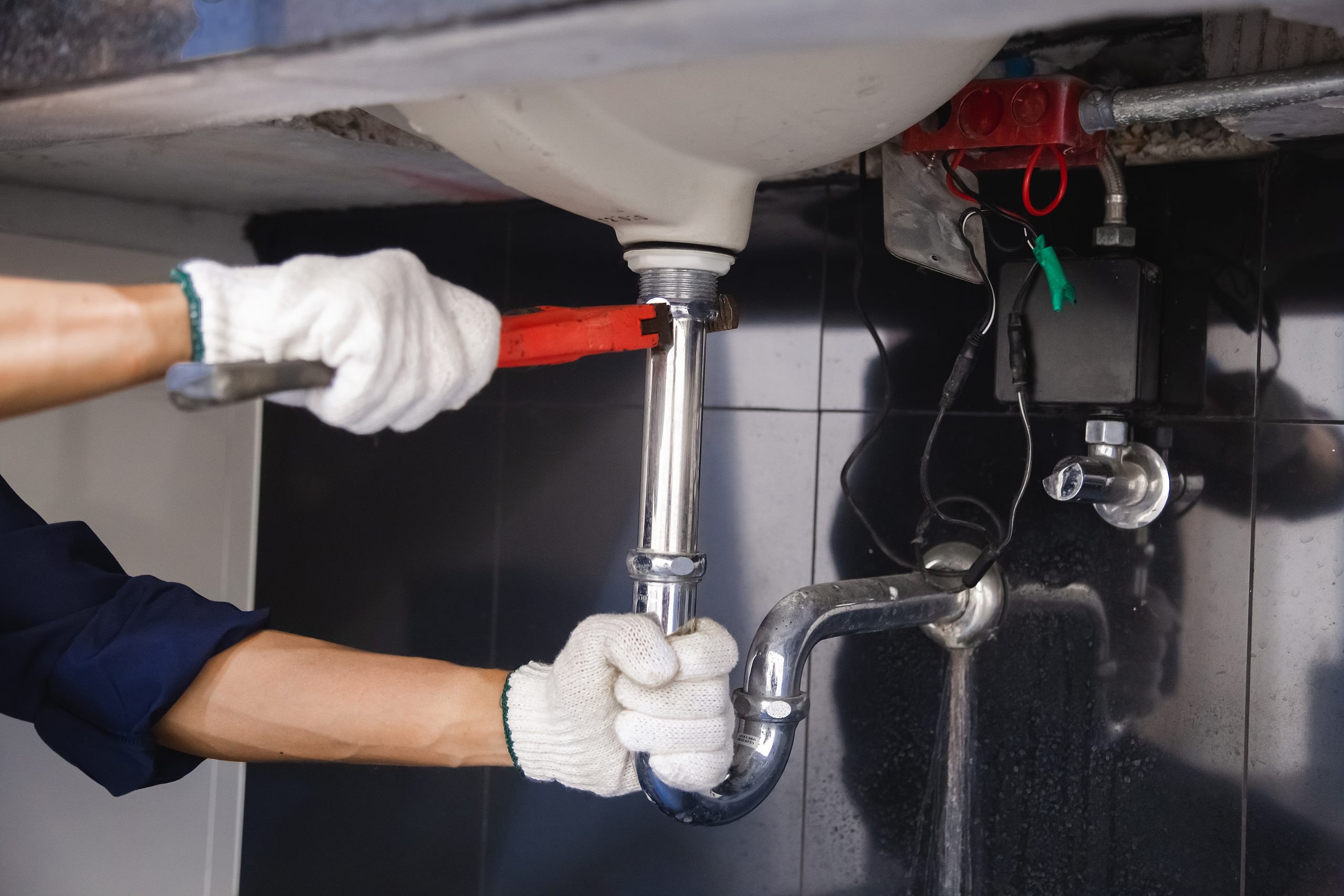
The hands-on fix, step by step
- Shut off the toilet supply valve at the wall and flush to empty the tank. Sponge out the remaining water so you can work dry and see the parts clearly.
- Inspect the flapper. Unhook it from the flush valve pegs and feel its edges. A flapper that is warped, stiff, or slimy no longer seals. Note its size and style before buying the replacement.
- Check the chain and handle. The chain needs slight slack. Too tight and it holds the flapper open a crack; too loose and it tangles under the flapper. Adjust the hook position and test the flush lever action.
- Clean the valve seat. Run a cloth around the rim the flapper seals against to remove mineral grit and slime that break the seal, especially in homes where the flapper itself still feels flexible.
- Fit the new flapper and restore water. Hook it on evenly, reconnect the chain with a little slack, turn the supply back on, and let the tank fill. Watch one full cycle and repeat the dye test to confirm the leak is gone.
- Address the fill valve only if needed. If the tank overfills or the valve hisses without shutting off, adjust the float first. A valve that still will not close after adjustment is a replacement job, still within reach of a confident homeowner.
Where the professional line is
Replacing a flapper, chain, float setting, and even a fill valve suits most homeowners with an hour and a towel. Call a plumber when water leaks at the base of the toilet, when the supply valve itself will not shut off, when the flush valve seat is cracked or badly corroded, or when two toilets in the house start running at once, which can point to high incoming water pressure wearing every valve in the home. A rocking toilet is also a stop sign: the wax seal underneath is compromised, and continued flushing sends water into the floor.
What waiting costs in water
Even a modest flapper leak cycles the fill valve many times a day, every day, including the weeks a house sits empty on vacation. The waste shows up only as a higher bill with no visible cause, which is why utilities often suggest the dye test when a bill jumps. Fixing a running toilet in a Newton home is usually an afternoon task with a part from the hardware store, and it pays for itself in the first billing cycle it prevents. If the tank parts are old enough that one repair reveals the next failure, a full tank rebuild kit or a visit from Charlie's Plumbing & Drain settles the whole system at once.
Common questions
Why does my toilet flush itself every few hours?
That phantom flush is almost always a slow flapper leak. Water seeps into the bowl until the tank level drops enough to trigger the fill valve, which refills the tank and stops. The dye test confirms it in twenty minutes.
How often do flappers need replacing?
Typically every few years, depending on water chemistry and in-tank cleaners, which shorten rubber life. If you use drop-in bleach tablets in the tank, expect flappers and seals to fail sooner, and consider removing them.
The running stops when I jiggle the handle. Is it fixed?
No. Jiggling reseats a chain or flapper for one cycle. The underlying cause, usually chain length or a worn flapper edge, will return, often the same night. Adjust the chain slack or replace the flapper for a lasting fix.
Photos in this guide are representative stock images.
← All guides from Charlie's Plumbing & Drain← Back to Charlie's Plumbing & Drain